Setting Up a Successful Home Garden in Lunenburg

Why should you start a garden in Lunenburg right now?
Have you ever looked at your backyard in the South Shore and wondered why your tomatoes just won't thrive despite all the sunshine? Gardening in Lunenburg isn't the same as gardening in the Annapolis Valley or the interior of the province. We deal with specific coastal microclimates, salt spray, and a relatively short growing season that requires a bit of strategy. Whether you're living in a historic home near the Waterfront or a newer build near the tracks, understanding our local soil and weather patterns is the difference between a harvest and a handful of withered leaves.
In our community, the way we approach the dirt matters. We aren't just growing vegetables; we're working with the Atlantic coastline. The wind can be a real problem here, and the salt air can actually affect certain plant varieties. If you're planning to dig in, you need to consider the windbreaks and the drainage of your specific lot. Most of the soil around Lunenburg has a heavy clay component or a rocky structure that demands a bit of prep work before you even think about buying seeds.
Our local climate can be fickle. One week it's warm and sunny, and the next, a cold snap hits the South Shore unexpectedly. This is why a structured approach to your backyard or balcony garden is so important. We want to ensure that by the time summer is in full swing, your garden is actually producing something useful for your kitchen table.
Where can I get the best seeds and supplies in Lunenburg?
You might be tempted to order everything online, but there is a huge advantage to buying local. When you talk to people at local nurseries or garden centers near the Lunenburg area, they know exactly when the last frost actually hits our specific streets. They know if a particular variety of kale can handle the wind coming off the harbor. I always recommend checking in with local hardware stores or specialized garden centers in the region to see what's currently in stock.
If you're looking for high-quality organic matter, don't just grab any bag from a big-box store. Look for suppliers that understand the needs of Atlantic Canadian soil. For example, if you're working with the rocky patches common in our neighbourhood, you'll need to invest in good compost to build up that topsoil. A good rule of thumb for us in Lunenburg is to always test your soil pH first—the acidity can vary wildly from one side of town to the other.
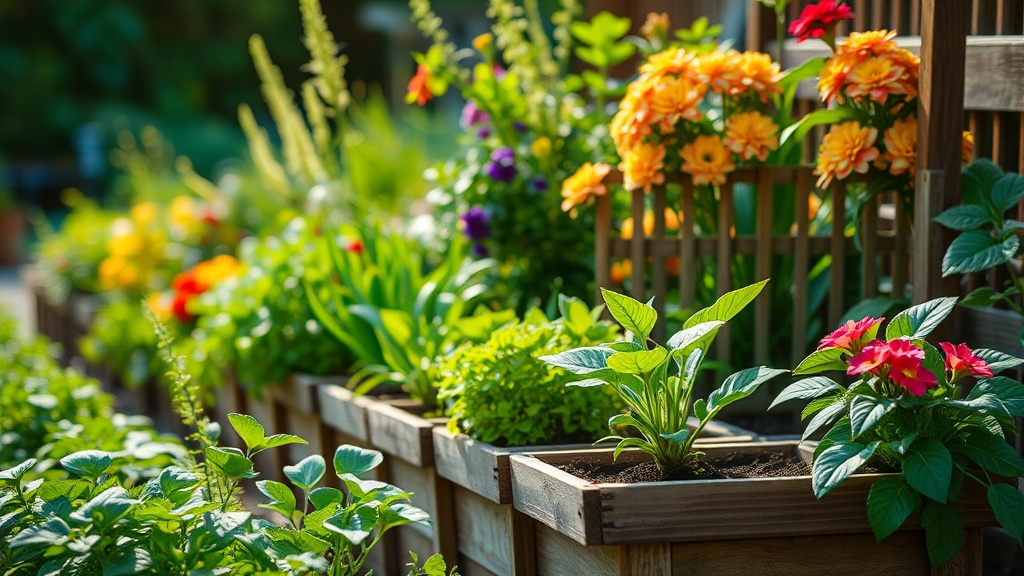
One tip for our local gardeners: don't underestimate the power of a raised bed. Because our ground can stay quite cold and damp well into the spring, raising your planting area even just a few inches can help the soil warm up much faster. This is especially true for those of us living in the more shaded parts of town where the sun doesn't hit the ground as directly as it does at the waterfront.
How do I protect my plants from the coastal wind?
Wind is perhaps our biggest adversary in Lunenburg. It doesn't just blow your seeds away; it dries out the soil and can physically snap more delicate stems. If you're growing near the coast, you need to plan your layout with wind protection in mind. This might mean planting taller, hardier crops like corn or sunflowers on the windward side of your garden to act as a natural buffer for your more sensitive greens.
We've seen many neighbors struggle because they didn't account for the gusts that come off the Atlantic. Using lattice work or even simple wooden fencing can make a massive difference. You don't need to build an elaborate structure—sometimes just a simple trellis or a sturdy row of shrubs can keep your seedlings from getting battered. It's about creating a microclimate within your own yard that feels a bit more sheltered than the open-air streets of our town.
- Use heavy mulch: This helps keep moisture in the ground when the wind starts pulling it out.
- Sturdy staking: Don't wait until the plant is big to stake it. Do it early.
- Windbreaks: Consider a permanent hedge or a temporary fabric screen.
If you're gardening in a smaller space, like a patio garden on a side street, even a small amount of shelter goes a long way. Even a simple wooden planter box can provide enough weight to keep your pots from sliding during a heavy gust.
When is the best time to plant in Lunenburg?
Timing is everything, and in our part of the world, it's a bit of a waiting game. You cannot simply follow the back of a seed packet blindly. Those packets are often written for much warmer climates. In Lunenburg, we have to wait for the soil to actually reach a certain temperature. If you plant too early, the damp cold will rot your roots before they even get established.
A good way to track this is to watch your neighbors. When you see people starting to move their containers outside and hanging out in their yards near the Lunenburg Academy or around the residential streets, that's your cue. But even then, keep an eye on the forecast. A late-season frost is quite common here and can wipe out a week's worth of progress in a single night. Keep some frost cloth or even old bedsheets ready to cover your most vulnerable plants if the temperature dips unexpectedly.
For those of us who want to grow more demanding crops like tomatoes or peppers, I suggest starting them indoors or in a very protected spot. This gives them a head start and makes them much heartier when they eventually hit the ground in our local soil. It’s a bit more work, but the payoff is worth it when you're eating something you grew yourself.
For more information on regional growing zones and specific plant needs, you can check out the Canadian Plant Profiles or look at the resources provided by the Atlantic Canada Gardening resources to see how our specific latitude affects growth cycles. Understanding these broader patterns helps us apply them to our own backyards here at home.