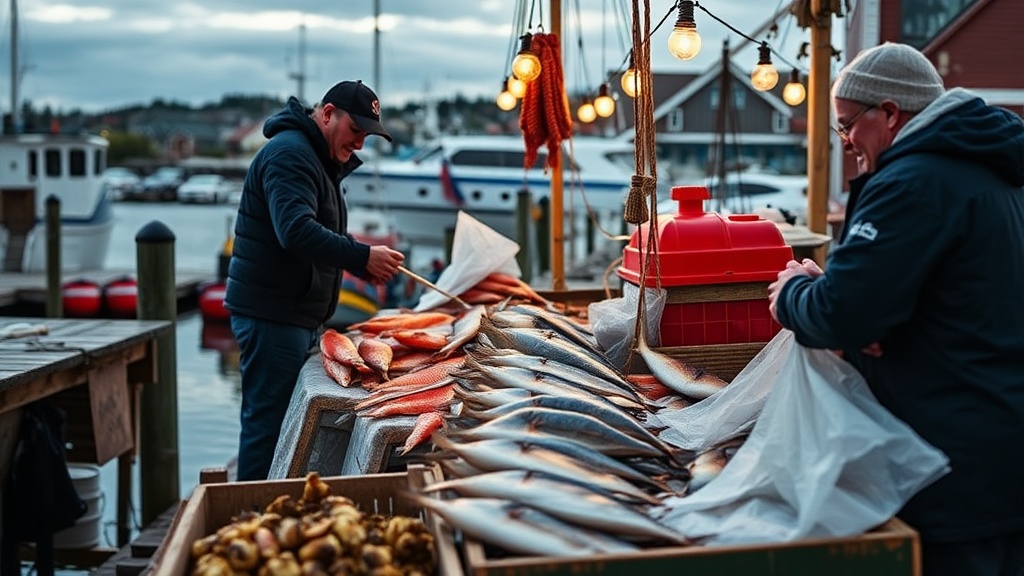
Finding the Best Seasonal Catch at the Lunenburg Waterfront

This guide explains how to identify, source, and purchase the highest quality seasonal seafood directly from the Lunenburg waterfront. You'll learn how to read the seasonal markers for Atlantic species, which docks to visit for specific catches, and how to verify freshness before you buy. Understanding the local fishing cycles ensures you aren't paying premium prices for out-of-season stock or low-quality imports.
What is in Season in Lunenburg Right Now?
The availability of seafood in Nova Scotia depends entirely on the current month and the specific biological cycles of the species. In the spring and early summer, you'll find an abundance of Atlantic cod and various shellfish, while the late summer and autumn often bring peak seasons for lobster and certain types of crab. If you're visiting the waterfront, you need to check the current Department of Fisheries and Oceans updates or local seasonal calendars to know what's actually landing in the holds.
Don't expect a static menu. The ocean doesn't work thats way. One week you might see heavy landings of scallops; the next, the fleet might be focused entirely on different species. If you see a vendor selling something that isn't in season, ask them where it actually came from. A local vendor should know exactly which boat brought that specific haul into the harbor.
Here is a general seasonal breakdown for the Lunenburg area:
- Spring (April - June): Peak season for Atlantic Lobster and early arrivals of certain whitefish varieties.
- Summer (July - August): High availability of Scallops and various types of Atlantic Salmon.
- Autumn (September - November): The season for heavy landings of Cod and Haddock, along with more robust shellfish-related harvests.
- Winter (December - March): Focus shifts to more resilient species and frozen/processed stock, though some fresh landings still occur depending on the weather.
It's worth noting that weather plays a massive role here. A heavy storm off the coast can stall the fleet for days, meaning the "freshness" of the market can change overnight. If the boats haven't been out in a week, the quality of the "fresh" catch might actually be lower than expected because the stock is older.
Where Can You Buy Fresh Seafood on the Waterfront?
You can buy the freshest seafood at the various fish markets and directly from the docks located along the Lunenburg waterfront and the nearby industrial areas. While some tourists stick to the high-end restaurants, the locals know that the real action happens at the small-scale distributors and the specialized fish markets near the harbor. You'll often find better prices and higher quality if you go a few blocks away from the main tourist thoroughfares.
The Lunenburg waterfront is a working harbor first and a tourist destination second. This is a distinction that matters. If you walk toward the heavy-duty fishing vessels—the ones that look like they've seen better days—you're in the right place. These are the boats that carry the commercial fishing output of the region. Look for the small signs or even just the presence of guys in heavy yellow oilskins; that's usually a sign that a landing just happened.
If you want a more structured experience, many local markets sell high-grade products like lobster tails or pre-cleaned fish. However, if you're looking for the raw, unadulterated experience of buying a bag of scallops or a pound of fresh cod, you might have to time your visit to when the boats are actually unloading. It's a bit more unpredictable, but the payoff is huge.
The difference between a "tourist" fish shop and a "local" fish shop is often the price and the inventory. A tourist shop might sell you a beautiful lobster, but a local shop will sell you the lobster, the butter, and the knowledge of how to cook it properly for the price of a decent lunch. I've spent plenty of time watching the docks—it's a way of life here—and you can see the difference in the eyes of the people working the lines.
| Seafood Type | Best Time to Buy | What to Look For |
|---|---|---|
| Atlantic Lobster | Late Spring/Summer | Bright, active movements; firm shells. |
| Sea Scallops | Summer/Autumn | Sweet scent (sea water, not fishy); firm texture. |
| Atlantic Cod | Late Autumn | Clear eyes; white, flaky flesh. |
| Oysters | Variable | Tight shells; heavy weight. |
How Do You Tell if Fish is Actually Fresh?
Freshness is determined by the clarity of the eyes, the scent of the fish, and the firmness of the flesh. If you're buying fish directly from a vendor, don't be afraid to look closely. A high-quality piece of Atlantic seafood should smell like the ocean—clean, salty, and fresh—not like "fish." If there is any hint of an ammonia or "fishy" odor, walk away immediately.
When buying whole fish, the eyes are the most honest indicator. They should be bulging and clear, not sunken or cloudy. If the eyes look milky, that fish has been sitting in a display case for a while. This is a basic rule, but people often forget it when they're distracted by the scenery. Don't let the beautiful Lunenburg views distract you from the quality of your dinner.
For shellfish, the rules change slightly. If you're buying clams or mussels, the shells should be closed or tightly clamped. If a shell is open and doesn't close when you tap it, the animal is dead and should not be purchased. This is a non-negotiable rule for anyone eating seafood in the Atlantic provinces. It's a matter of safety as much as it is about taste.
One thing to watch out for is the "glaze" on frozen products. While many people buy frozen-at-sea products (which is actually a great way to preserve quality), if you are buying fresh, you want to see the natural moisture of the fish, not a thick layer of ice-glaze that might be hiding a lack of quality. If you're buying high-end seafood, you're paying for the quality of the harvest, not the ice surrounding it.
If you're interested in the broader context of how these fishing practices shape our community, you might enjoy reading about the maritime grit of Lunenburg. It gives you a better sense of the people behind the products you're buying.
The texture of the meat is the final test. If you can press the flesh of a fillet and it stays indented, it's losing its structural integrity. It should spring back. A firm, resilient texture is the hallmark of a recent catch. This is especially true for whitefish like cod or haddock, which can go limp very quickly if not handled or stored at the correct temperature.
Lastly, always ask the vendor how it was caught. Is it wild-caught? Was it line-caught or part of a larger trawl? The answer can tell you a lot about the premium you're paying. Line-caught fish often have a much higher quality of meat and are generally more sustainable for the local ecosystem. It's a small detail, but it's the kind of detail that separates a casual tourist from a true local enthusiast.
Steps
- 1
Check the Seasonal Calendar
- 2
Visit the Docks at Peak Times
- 3
Ask the Locals for the Daily Catch
- 4
Inspect the Quality and Freshness